Renters Insurance in and around St. Louis
Get renters insurance in St. Louis
Coverage for what's yours, in your rented home

Would you like to create a personalized renters quote?
There's No Place Like Home
Your rented space is home. Since that is where you rest and spend time with your loved ones, it can be a wise idea to make sure you have renters insurance, especially if you could not afford to replace lost or damaged possessions. Even for stuff like your video games, golf clubs, clothing, etc., choosing the right coverage can help protect your belongings.
Get renters insurance in St. Louis
Coverage for what's yours, in your rented home

State Farm Has Options For Your Renters Insurance Needs
Renters often don’t realize that their landlord’s insurance only covers the structure. Just because you are renting a townhome or condo, you still own plenty of property and personal items—such as a coffee maker, set of favorite books, TV, and more. All of these have value, which would be a real loss if damaged or destroyed. That's why you need renters insurance from State Farm. Why get renters insurance from Jeff Ehrhardt? You need an agent who can help you understand your coverage options and evaluate your risks. With wisdom and dedication, Jeff Ehrhardt is waiting to help you protect yourself from the unexpected.
Renters of St. Louis, get in touch with Jeff Ehrhardt's office to learn more about your particular options and the advantages of State Farm renters insurance.
Have More Questions About Renters Insurance?
Call Jeff at (314) 821-5333 or visit our FAQ page.
Simple Insights®
Tips for dealing with lead paint
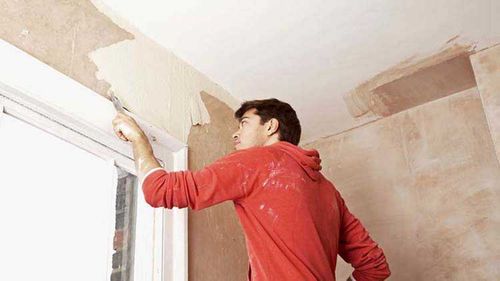
Tips for dealing with lead paint
Homes built before 1978 might contain lead-based paint -- one of the most common causes of lead poisoning, according to the Environmental Protection Agency.
Checklist for apartment renting

Checklist for apartment renting
When finding an apartment, it’s important to know what to look for so you can make a smart assessment about each property you’re interested in.

Would you like to create a personalized renters quote?
Simple Insights®
Tips for dealing with lead paint
Tips for dealing with lead paint
Homes built before 1978 might contain lead-based paint -- one of the most common causes of lead poisoning, according to the Environmental Protection Agency.
Checklist for apartment renting
Checklist for apartment renting
When finding an apartment, it’s important to know what to look for so you can make a smart assessment about each property you’re interested in.